Menopause Problem
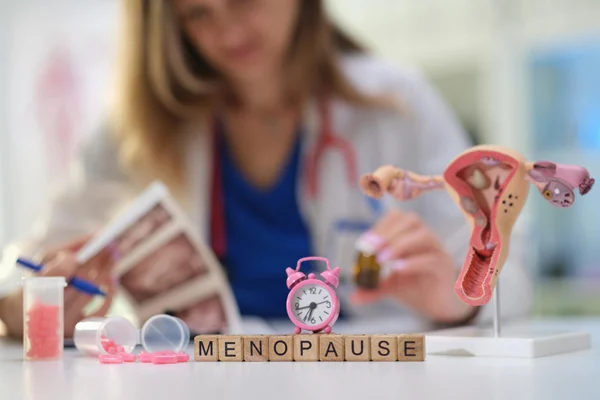
Menopause Problem
Menopause Problem Treatment in Naraina Vihar | Dr. Uma Verma
Menopause is a natural stage in a woman’s life that marks the end of her menstrual cycles and reproductive years. While menopause is not a disease, the hormonal changes associated with it can lead to various physical, emotional, and psychological symptoms that may affect daily life. Many women experience discomfort, sleep disturbances, mood swings, and other health concerns during this transition. If you are looking for reliable Menopause Problem Treatment in Naraina Vihar, Mother Clinic offers comprehensive menopause care under the expert guidance of Dr. Uma Verma, a highly experienced gynecologist with over 33 years of experience in women's healthcare.
Every woman experiences menopause differently. Some may have mild symptoms, while others may struggle with significant discomfort that impacts their quality of life. At Mother Clinic, Dr. Uma Verma provides personalized evaluation and treatment plans to help women manage menopause symptoms effectively and maintain overall health and well-being.
What Is Menopause?
Menopause is the permanent cessation of menstrual periods, typically occurring between the ages of 45 and 55. It is officially diagnosed after a woman has gone 12 consecutive months without a menstrual period.
Menopause occurs because the ovaries gradually produce lower levels of estrogen and progesterone. These hormonal changes can affect multiple systems in the body and lead to a variety of symptoms.
Seeking professional Menopause Problem Treatment in Naraina Vihar can help women navigate this transition comfortably and reduce the impact of bothersome symptoms on their daily lives.
Common Symptoms of Menopause
The symptoms of menopause can vary widely from one woman to another. Some women experience only mild changes, while others may develop significant discomfort.
Common menopause symptoms include:
- Hot flashes
- Night sweats
- Irregular periods before menopause
- Mood swings
- Anxiety and irritability
- Sleep disturbances
- Fatigue
- Vaginal dryness
- Reduced libido
- Weight gain
- Difficulty concentrating
- Joint and muscle discomfort
If these symptoms begin affecting your personal, social, or professional life, consulting Dr. Uma Verma for Menopause Problem Treatment in Naraina Vihar can help provide relief and improve quality of life.
Causes of Menopause-Related Problems
Menopause-related symptoms primarily result from declining estrogen and progesterone levels. However, several factors can influence the severity of symptoms.
Common contributing factors include:
Hormonal Changes
The natural decline in reproductive hormones is the primary cause of menopause symptoms.
Aging Process
As women age, changes occur in metabolism, bone density, cardiovascular health, and overall physical function.
Lifestyle Factors
Poor diet, lack of exercise, smoking, and chronic stress can worsen menopause symptoms.
Existing Medical Conditions
Conditions such as thyroid disorders, diabetes, and obesity may influence symptom severity and overall health during menopause.
Emotional Stress
Psychological factors, family responsibilities, and life transitions can contribute to emotional symptoms during menopause.
Benefits of Seeking Menopause Treatment
Many women assume menopause symptoms must simply be endured. However, professional treatment can significantly improve comfort and overall well-being.
Benefits of Menopause Problem Treatment in Naraina Vihar include:
- Relief from hot flashes and night sweats
- Improved sleep quality
- Better emotional stability
- Enhanced energy levels
- Improved sexual health
- Better bone health management
- Reduced risk of long-term health complications
- Improved overall quality of life
Early intervention can also help identify and address health risks that become more common after menopause.
Diagnosis and Evaluation
At Mother Clinic, Dr. Uma Verma conducts a comprehensive evaluation to understand each patient's symptoms and health concerns.
The assessment may include:
Detailed Medical History
Discussion regarding menstrual history, symptoms, lifestyle habits, medications, and family history.
Physical Examination
A complete examination helps assess overall health and identify potential concerns.
Hormonal Evaluation
Blood tests may be recommended to evaluate hormone levels and rule out other medical conditions.
Bone Health Assessment
Since menopause can affect bone density, additional evaluation may be advised when necessary.
Preventive Health Screening
Regular health screenings play an important role in maintaining long-term health after menopause.
Menopause Treatment Options
Treatment plans are individualized based on symptom severity, medical history, and personal preferences.
Lifestyle Modifications
Healthy lifestyle habits often provide significant symptom relief.
Recommendations may include:
- Balanced nutrition
- Regular exercise
- Weight management
- Stress reduction techniques
- Adequate sleep
Hormonal Management
In selected cases, hormonal therapies may be considered after careful medical evaluation.
Symptom-Specific Treatment
Targeted therapies may be recommended for sleep disturbances, vaginal dryness, mood changes, or other specific concerns.
Nutritional Support
Proper nutrition helps support bone health, heart health, and overall wellness during menopause.
Regular Monitoring
Ongoing follow-up appointments ensure that treatment remains effective and appropriate.
Recovery and Long-Term Care
Menopause is a lifelong transition rather than a temporary condition. Long-term care focuses on maintaining health and preventing age-related complications.
Women are encouraged to:
- Stay physically active
- Maintain a healthy diet
- Monitor bone health
- Attend regular gynecological checkups
- Manage stress effectively
- Monitor cardiovascular health
- Follow recommended screenings
With appropriate medical care, most women can successfully manage menopause symptoms and continue to lead active, healthy lives.
Why Choose Dr. Uma Verma for Menopause Care?
Choosing an experienced gynecologist is essential for managing menopause effectively.
Why women trust Mother Clinic:
- More than 33 years of women's healthcare experience
- Expertise in menopause management
- Personalized treatment plans
- Comprehensive health evaluations
- Compassionate and patient-centered care
- Focus on long-term wellness
- Evidence-based treatment approach
- Complete gynecological services under one roof
Dr. Uma Verma is committed to helping women navigate menopause with confidence and improved quality of life.
Conclusion
Menopause is a natural phase of life, but its symptoms can sometimes become challenging to manage without professional support. Timely diagnosis, personalized treatment, and lifestyle guidance can make a significant difference in maintaining physical and emotional well-being.
If you are experiencing menopause-related concerns and seeking trusted Menopause Problem Treatment in Naraina Vihar, consult Dr. Uma Verma at Mother Clinic for expert care and comprehensive women's health support.
Schedule your consultation now with Dr. Uma Verma at Mother Clinic, Naraina Vihar, and receive personalized menopause care designed to help you live comfortably and confidently.
FAQs
1. At what age does menopause usually occur?
Menopause typically occurs between the ages of 45 and 55, although the timing can vary among individuals.
2. What are the most common menopause symptoms?
Hot flashes, night sweats, mood changes, sleep disturbances, fatigue, and vaginal dryness are among the most common symptoms.
3. Can menopause symptoms be treated?
Yes. Lifestyle modifications, medical therapies, and personalized treatment plans can effectively help manage symptoms.
4. Is weight gain common during menopause?
Many women experience weight changes during menopause due to hormonal shifts and age-related metabolic changes.
5. Why choose Mother Clinic for menopause treatment?
Mother Clinic provides expert menopause care by Dr. Uma Verma, personalized treatment plans, comprehensive evaluations, and compassionate support for women's health needs.